.avif)
.avif)
What Does a Chemical Peel Procedure Look Like?
A chemical peel treatment offers one of the most effective ways to refresh dull, uneven, or tired-looking skin. By applying a targeted chemical solution to the tissue surface, the peel gently removes damaged cells and encourages the formation of fresh, healthy cells.
Whether you're dealing with acne marks, discoloration, fine lines, or overall texture concerns, chemical peels provide a controlled form of skin resurfacing that delivers noticeable improvement with each session. This guide breaks down what the chemical peel procedure actually looks like, so you know exactly what to expect before and during the treatment.
The Initial Consultation
The chemical peel procedure starts with a detailed assessment of your skin. This step helps us understand your skin type and skin concerns, and assess the treatment area so that we can select the right approach.
What You Discuss During the Evaluation
You explain the issues you want treated, which can include anything from acne scars, oily or rough skin, fine lines, age spots, or other visible skin imperfections. A practitioner reviews how past sun exposure, breakouts, or medications (such as birth control pills) affect your skin’s behavior.
Next, healthcare providers explore which type of peel makes sense for your needs:
- A light peel for mild texture concerns
- A medium peel for deeper pigmentation and acne scarring
- A deep peel for more advanced signs of aging or deep scars
If you have conditions like actinic keratosis, discolored skin, or a darker skin tone, your practitioner explains how certain peels may affect your skin tone and what approach keeps your skin safe. The main goal of the initial consultation is not only to determine the right skin peels for your tissue, but also to make you feel safe prior to the procedure.
Your Pre-Care Instructions
Among others, you'll receive instructions on how to prepare for your chemical peel treatment:
- Stop using certain exfoliating or irritating skincare products
- Begin antiviral medication if you’re prone to cold sores
- Limit sun exposure and protect your skin consistently
It is vital that you avoid anything that might interfere with the process. Even if you're going with light and medium peels, additional substances on your face can lead to adverse reactions or may reduce the benefits.
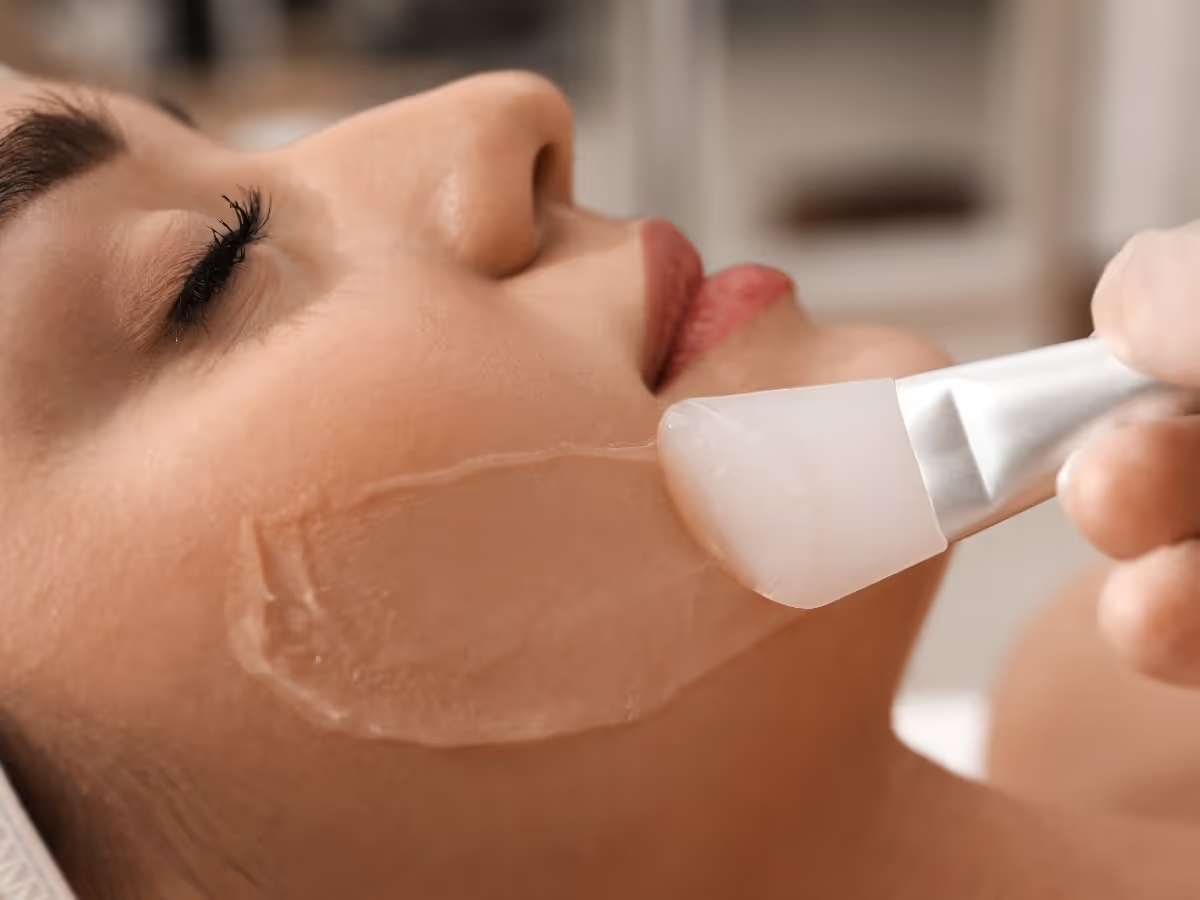

Step 1 — Deep Clean
Your practitioner begins the active part of the chemical peel procedure by thoroughly cleansing your skin. The main objective is to prepare the surface so the tissue can absorb the solution.
Cleaning removes makeup, SPF, excess oil, and anything else from your pores or the surface. A clean, balanced surface helps the peel target damaged skin cells more precisely and ensures consistent results across the entire treatment area.
If you're struggling with oily, rough, mild sun-damaged, or uneven skin texture, the cleansing stage plays a key role in how well the chemical peel performs. It also reduces the risk of irritation once the solution makes contact with the outer layer of the skin.
Step 2 — Degreasing Prep
After cleansing, your practitioner applies a special prepping liquid that removes the last traces of surface oil. This step creates an even base so the chemical solution spreads smoothly and delivers consistent results during the chemical peel procedure.
Degreasing helps the peel penetrate more effectively, especially if you have oily skin, visible skin imperfections, or uneven skin texture. Once the skin is fully ready, it is time to apply the suitable chemical solution. This phase also minimizes irritation and supports a smoother peeling response later.
Step 3 — Peel Application
Now is the time for the active part of the procedure. Your practitioner applies the selected chemical solution, working carefully across each section of your face to remove damaged skin cells. The sensation depends on the strength of the peel:
Light / Superficial Peels
These formulations create a light tingling or warming feeling. They gently refresh tone, refine mild skin imperfections, and soften early fine lines. A light chemical peel is an effective skin resurfacing procedure.
Medium Peels
A medium chemical peel penetrates deeper into the skin, addressing other skin imperfections that light peels can't address. You may feel a stronger, more noticeable warmth as it works on acne scars, sun-related discoloration, and areas of uneven skin texture.
Deep Chemical Peels
For more advanced concerns, such as deep scars, severe wrinkles, or long-standing sun damage, your practitioner may use a deep chemical peel. These formulations create a more intense sensation and require expert monitoring, but they also deliver the most dramatic improvement in skin appearance.
Throughout the application, your provider watches how your treated skin responds and adjusts timing or technique to keep the process comfortable and controlled. With the solution evenly applied, your skin now enters the next stage, where the peel begins its active work, revealing new skin.
Step 4 — The “Working” Phase
After applying the chemical solution to the skin, your practitioner gives it time to work.
This phase allows the peel to interact with the outer layer and, depending on strength, deeper layers of the skin.
During this stage, your provider closely observes your skin’s response. A professional looks for changes in color, tightness, and overall reaction to ensure the chemical peel procedure stays safe and effective. You may feel warmth, tingling, or tightening as the peel activates.
Strong options create a more noticeable sensation, but your practitioner keeps you comfortable and adjusts timing as needed. Once the peel has done its magic, the provider proceeds to the next step, which is solution removal.
Step 5 — Neutralize or Rinse
This part of the chemical peel procedure protects the treated skin and prevents the peel from penetrating deeper than intended. The method depends on the type of peel. Some formulas require a neutralizing solution that instantly shuts down acid activity.
Others simply require a gentle rinse with cool water to remove the solution from the treatment area. Both approaches restore the skin to balance, allowing the healing phase to begin safely.
Most people feel a sense of relief once the peel is neutralized. The skin may still feel warm, tight, or slightly sensitive, which are normal reactions after using medium- or stronger-formulations. Your practitioner checks the skin's appearance and texture to confirm that everything is functioning as expected.
Step 6 — Soothe + Protect
Once the peel is neutralized, your practitioner prioritizes calming and hydrating the skin. This stage matters just as much as applying the peel because freshly treated skin needs moisture, protection, and a barrier against irritation. Your provider applies soothing products to support recovery and help your skin shed damaged cells in a controlled, healthy way.
Your skin may look pink, tighter than usual, or slightly shiny right after this part of the procedure. These reactions are expected, especially if you received a deeper treatment to address concerns like acne scars or enhance skin texture. The products your practitioner applies reduce this initial sensitivity and help maintain your natural moisture barrier.
Sun protection becomes essential at this stage. Your provider applies a broad-spectrum SPF and explains why you must avoid direct sun exposure in the following days. Fresh, vulnerable skin reacts strongly to light, so consistent protection keeps your results smooth and prevents unwanted darkening of the treated area, especially common in darker skin tones.
Chemical Peel Treatment at Shookra
Shookra's chemical peel treatment offers a refined, results-driven approach to renewing dull, uneven, or troubled skin. Each peel is tailored to your unique concerns, whether you want to smooth texture, soften acne marks, brighten discoloration, or reverse signs of sun damage.
Our practitioners use advanced skin-safe acids and precise application methods to gently lift damaged cells and reveal fresh, balanced, glowing skin beneath. With expert guidance and a focus on long-term skin health, Shookra ensures every peel feels controlled, comfortable, and transformative.
Ready to uncover your best skin? Book your chemical peel at Shookra today.
Other recommended posts



.jpg)
.jpg)


.avif)
.avif)

Reverse, Renew, Radiate.
Timeless transformation starts today.
.png)