.avif)
.avif)
Acne Treatment in Dubai: Medical Approaches That Clear Skin Long-Term
Acne is the most common skin condition in adulthood in Dubai, not just adolescence. Heat, humidity in coastal areas, dry indoor air conditioning, mask use, fluctuating hormones and stress all play a role. Many clients arrive at our clinic having spent years rotating between cleansers, cosmetic facials and quick-fix programmes that calmed the surface but never addressed why the breakouts keep returning.
At Shookra in Business Bay, acne is treated as a medical condition, not a cosmetic complaint. The pathway is led by Dr. Natalia Chaikovskaia, a DHA-licensed dermatologist with a PhD in Dermatology, working alongside our medical aesthetic team. This article explains how clinical acne treatment actually works, what your options are at each severity, and what to expect from a structured treatment plan in Dubai.
What Acne Is
Acne is a condition of the pilosebaceous unit, the structure that includes the hair follicle and the oil gland attached to it. Four mechanisms drive it:
- Increased oil production, often triggered by hormones, particularly androgens.
- Abnormal shedding of skin cells inside the follicle, which clogs the pore.
- Bacterial overgrowth, primarily Cutibacterium acnes, which thrives in the trapped oil.
- Inflammation, which produces the redness, swelling and pain associated with active spots.
Acne is not caused by poor hygiene, and aggressive cleansing usually makes it worse. The visible spot is the end of a process that started days or weeks earlier inside the pore.
Types of Acne You May Be Dealing With
Identifying the type of acne you have is the first step to treating it correctly. Common presentations include:
- Comedonal acne: Blackheads and whiteheads, with little inflammation.
- Inflammatory acne: Red, tender papules and pustules.
- Nodulo-cystic acne: Deeper, painful lumps that often scar.
- Hormonal acne: Spots concentrated along the jawline, chin and neck, often flaring with the menstrual cycle or under stress.
- Adult acne: Persistent acne in your twenties, thirties or forties, often more inflammatory than teenage acne and often hormonally driven.
- Maskne and friction acne: Triggered or worsened by mask wearing, gym equipment, helmets or repeated touching.
- Acne scarring and post-acne marks: The aftermath of inflammation, ranging from flat brown or red marks to atrophic, icepick or rolling scars.
A medical assessment differentiates these and identifies the underlying drivers, which is essential because treatments that work for one type can flare another.
How Medical Acne Treatment Works
Effective acne treatment combines topical therapy, in-clinic procedures, and where appropriate, oral medication. The right combination depends on the type and severity of acne, prior treatment response and skin type.
Topical Therapy
Topical treatments are the foundation for most cases of mild to moderate acne. The main classes are:
- Topical retinoids (adapalene, tretinoin, trifarotene), which normalise cell turnover inside the follicle, reduce comedones and treat inflammation.
- Benzoyl peroxide, which reduces bacterial load and helps prevent antibiotic resistance.
- Topical antibiotics (clindamycin, erythromycin), usually combined with benzoyl peroxide rather than used alone.
- Azelaic acid, useful for inflammatory acne and post-inflammatory pigmentation.
- Niacinamide and salicylic acid, supportive ingredients within a wider routine.
A dermatologist will sequence these correctly. Using too many actives at once is one of the most common reasons routines fail.
In-Clinic Procedures
In-clinic treatment accelerates results and addresses both active acne and its aftermath. Useful options include:
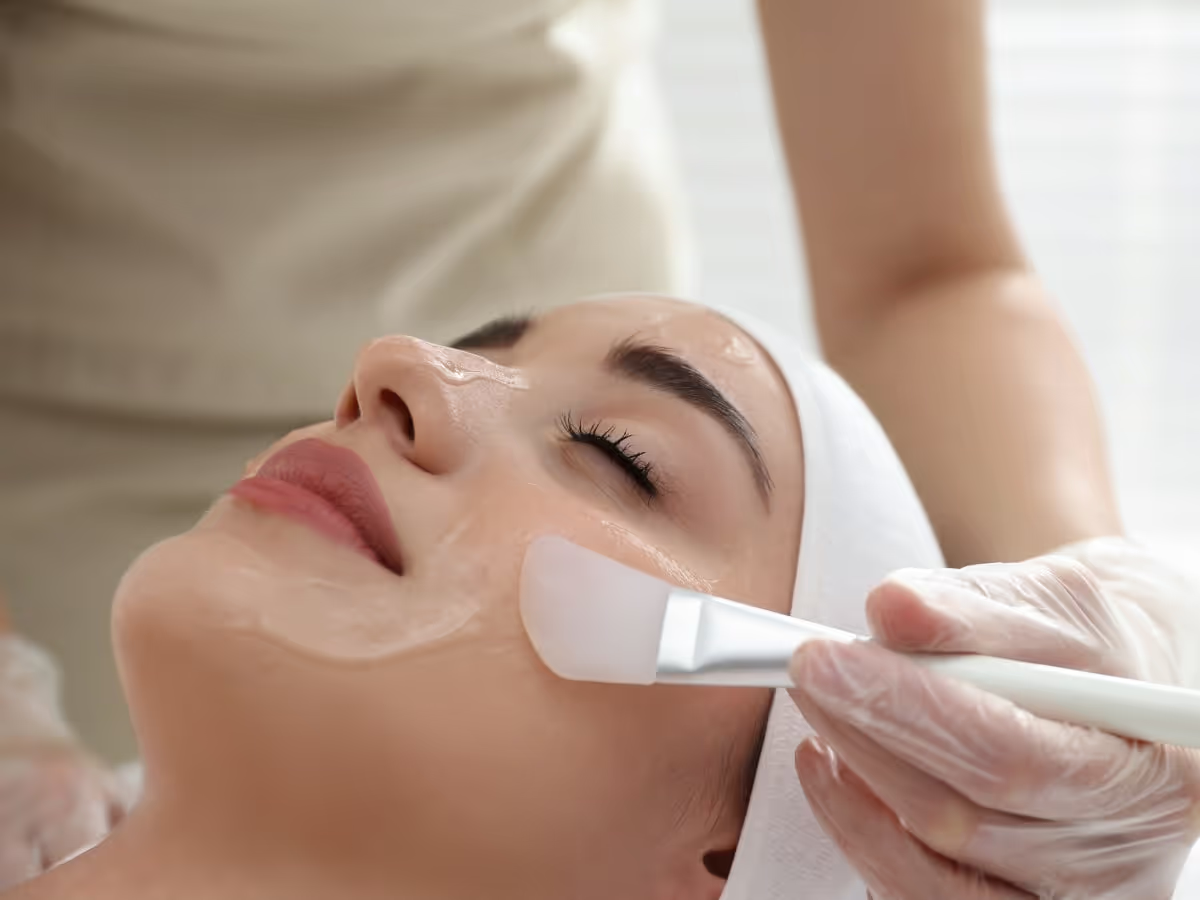
- Medical-grade chemical peels with salicylic, mandelic or glycolic acid, which deep-clean pores and reduce surface congestion.
- HydraFacial for hydration, light extraction and barrier support between active treatments.
- LED light therapy, particularly blue and red light, to reduce bacterial load and inflammation.
- Laser and light treatments including pulsed-light platforms and pico laser, which can reduce inflammation, post-acne redness and pigmentation.
- Microneedling for atrophic acne scarring once active acne is controlled.
- Mesotherapy to support barrier repair and reduce inflammation between treatments.
For deeper scarring, treatments such as fractional energy devices and biostimulator-based injectables may be added later, once the skin is no longer actively breaking out.
Oral Medication
When acne is moderate to severe, scarring, or unresponsive to topical care, oral options are considered. These include:
- Oral antibiotics (typically tetracyclines), used short-term to settle inflammation.
- Hormonal treatments such as the combined oral contraceptive pill or spironolactone, often very effective for adult female hormonal acne.
- Oral isotretinoin for severe, scarring or treatment-resistant cases, prescribed by a dermatologist with appropriate monitoring.
Each of these requires medical supervision and is prescribed only when clinically appropriate.
The Shookra Approach
Acne is treated at Shookra as a chronic, multifactorial condition that responds best to a structured, doctor-led plan.
- Dermatology consultation. Your skin, lifestyle, history and previous treatments are assessed. Acne type, severity and underlying triggers are identified.
- Targeted diagnostics where indicated. For adult or hormonal acne, hormonal and metabolic markers may be tested through our diagnostics service. Insulin resistance, polycystic ovary syndrome and thyroid dysfunction are common drivers that are missed by cosmetic-only approaches.
- A combined treatment plan. Most clients are started on a tailored topical regimen with a short series of in-clinic treatments. Oral medication is added when indicated.
- Review and adjustment. Progress is reviewed at defined intervals. Treatments are intensified, reduced or switched depending on response.
- Scar and post-acne pigmentation phase. Once active acne is controlled, attention turns to remaining marks and scarring, treated with appropriate energy-based or injectable interventions.
This sequence matters. Treating scars while acne is still active risks worsening pigmentation. Treating only the surface without addressing hormones or inflammation often produces short-term improvement followed by relapse.
Who Acne Treatment Suits
Medical acne treatment suits adolescents and adults whose acne is affecting confidence, leaving marks, or has not responded to off-the-shelf products. It is particularly worth pursuing if:
- Your acne is leaving scars or pigmentation behind.
- You have tried multiple over-the-counter regimens without lasting improvement.
- Your acne pattern suggests hormonal drivers (jawline, chin, neck, premenstrual flares).
- Your skin is reactive to most products and needs careful sequencing.
Treatment is adjusted for pregnancy, breastfeeding, sensitive skin or specific medical conditions. Your consultation identifies the right starting point.
What to Expect
Acne treatment is rarely linear.
- Early changes: Reduction in new spots typically begins within four to six weeks of starting an appropriate topical regimen.
- Visible clearing: Significant clearing of active acne usually takes three to four months. Oral isotretinoin, when used, has its own structured timeline.
- Post-acne marks: Brown or red marks fade gradually over weeks to months and can be accelerated with targeted in-clinic treatment.
- Scarring: True atrophic scars do not fade on their own and require structured scar treatment, typically over several sessions.
- Maintenance: Once clear, most clients continue with a lighter maintenance routine to prevent relapse.
Patience is part of the protocol. A short-term flare in the first two to six weeks of new topical treatment is common and not a sign of failure.
Risks and Considerations
Medical acne treatment is generally safe and well-tolerated, but every intervention has trade-offs.
- Topical retinoids and acids can cause dryness, peeling, redness and sun sensitivity in early weeks. These usually settle with correct use and good barrier support.
- Antibiotics, whether topical or oral, are used in defined courses to limit resistance.
- Hormonal treatments require medical screening and are not suitable for everyone.
- Oral isotretinoin is highly effective but requires monitoring of blood markers and is contraindicated in pregnancy.
- In-clinic treatments can cause temporary redness, mild swelling or short-lived pigmentation, particularly in deeper skin tones. Conservative protocols and proper aftercare reduce this risk.
A consultation weighs these factors for your individual case.


Frequently Asked Questions
How much does acne treatment cost in Dubai?
Costs depend on the protocol your skin actually needs. A topical-only programme is the most affordable. Combined topical, in-clinic and oral protocols, or scar revision, are more substantial. Pricing is discussed transparently during your consultation once the dermatologist has assessed your case. We avoid headline figures that do not reflect what real treatment looks like.
What is the most successful treatment for acne?
There is no single most successful treatment. For most adults, the best outcomes come from a structured combination of prescription topicals, addressing any hormonal or systemic drivers, and selective in-clinic treatments. Severe cases may need a course of oral isotretinoin.
Which treatment is best for acne?
The treatment that is best for you depends on your acne type, severity and triggers. Comedonal acne responds well to topical retinoids and chemical peels. Inflammatory acne usually needs benzoyl peroxide and, in moderate cases, oral medication. Hormonal acne often responds best to hormonal treatment. A consultation is the appropriate way to match treatment to your specific picture.
Can acne be 100% cured?
Acne is a chronic condition, not a single event. Clear skin is realistic for the large majority of clients with appropriate, consistent treatment. Maintenance is usually needed to keep it that way, and occasional flares can be managed without going back to square one.
When should I start treating acne scars?
Scar treatment should usually wait until active acne is controlled. Treating scars while spots are still appearing risks worsening pigmentation and frustrating outcomes. Once your skin is stable, scar treatment can be planned in a structured series.
Will I need to keep coming back forever?
Most clients reach a stable maintenance phase within three to six months, after which visits are infrequent. Adult and hormonal acne sometimes need longer-term maintenance, but the goal is always to step treatment down once your skin is stable.
Book a Consultation
If you are tired of cycling through products and want a dermatologist-led plan that treats the cause as well as the spots, you can book a consultation with Shookra. Your assessment will identify your acne type, screen for underlying drivers and outline a treatment pathway that fits your skin and your life. To learn more about our condition-specific care, see our acne reduction service page or our acne scar removal page.
Other recommended posts


.jpg)
.jpg)


.avif)

.avif)

Reverse, Renew, Radiate.
Timeless transformation starts today.
.png)