.avif)
.avif)
Melasma Treatment in Dubai: Causes, Options and What Actually Works
Melasma is one of the most frustrating skin conditions to live with in Dubai. The combination of strong year-round UV exposure, heat, hormonal triggers and stress makes the city a particularly active environment for facial pigmentation. Patches darken faster than they fade, treatments that worked elsewhere often stop working here, and the cycle of remission and relapse is wearing.
At Shookra in Business Bay, melasma is managed by our dermatology team, led by Dr. Natalia Chaikovskaia, a DHA-licensed dermatologist with a PhD in Dermatology and more than 20 years of clinical experience. This article explains what melasma is, why Dubai's environment makes it harder to control, and which treatments are most likely to help. It is written for clients who have already tried over-the-counter creams, brightening serums or generic facials and want a clearer view of what genuinely works.
What Melasma Is
Melasma is a chronic disorder of pigmentation. It produces symmetrical brown or greyish patches, typically on the cheeks, forehead, upper lip, nose and jawline. The colour comes from excess melanin produced by pigment cells called melanocytes. In melasma these cells are not damaged, they are over-active. That distinction matters because it shapes how the condition responds to treatment.
Melasma is not the same as sunspots, post-inflammatory pigmentation or freckles. Sunspots are localised injury from UV exposure. Post-inflammatory pigmentation follows a specific trigger such as acne or a burn. Melasma is a regulatory problem in the pigment system itself, often described as a hormonally sensitive form of hyperpigmentation. It is more common in women, in skin of colour, and in adults aged 20 to 50.
Why Melasma Is Harder to Treat in Dubai
Three environmental factors make melasma particularly stubborn in this region.
UV and visible light load. Dubai gets intense UV exposure year-round, and visible light, including the blue light component, also drives melasma. Standard sunscreens that protect against UVB alone are not enough. Tinted, broad-spectrum mineral sunscreens that block visible light are an essential part of any treatment plan here.
Heat. Heat itself stimulates pigment production. Sitting in a hot car, working outdoors, exercising in summer or even a hot facial can flare melasma even when UV exposure has been controlled.
Hormonal triggers. Pregnancy, oral contraceptives, hormone replacement and thyroid changes are well-recognised drivers. Many clients first develop melasma during or after pregnancy, then find it persists.
The implication is that effective treatment in Dubai must combine pigment suppression, daily photoprotection from both UV and visible light, and management of any underlying triggers. Single-modality treatment usually disappoints.
How Melasma Treatment Works
There is no single cure for melasma. The realistic goal is significant lightening and long-term control. Most evidence-based protocols combine three layers of intervention.
1. Topical Pigment Regulation
Prescription topical agents remain the foundation of treatment. The most established option is hydroquinone, often used as part of a combination cream that includes a retinoid and a low-potency steroid. This combination is used in short courses under medical supervision, then rotated with non-hydroquinone alternatives.
Non-hydroquinone agents include azelaic acid, tranexamic acid, kojic acid, niacinamide, cysteamine and arbutin. These can be combined to reduce relapse rates and to maintain results between active treatment phases. A dermatologist will tailor the combination to your skin type, sensitivity and previous treatment history.
2. In-Clinic Treatments
In-clinic treatments are added when topicals alone are not enough. The most useful options for melasma are:
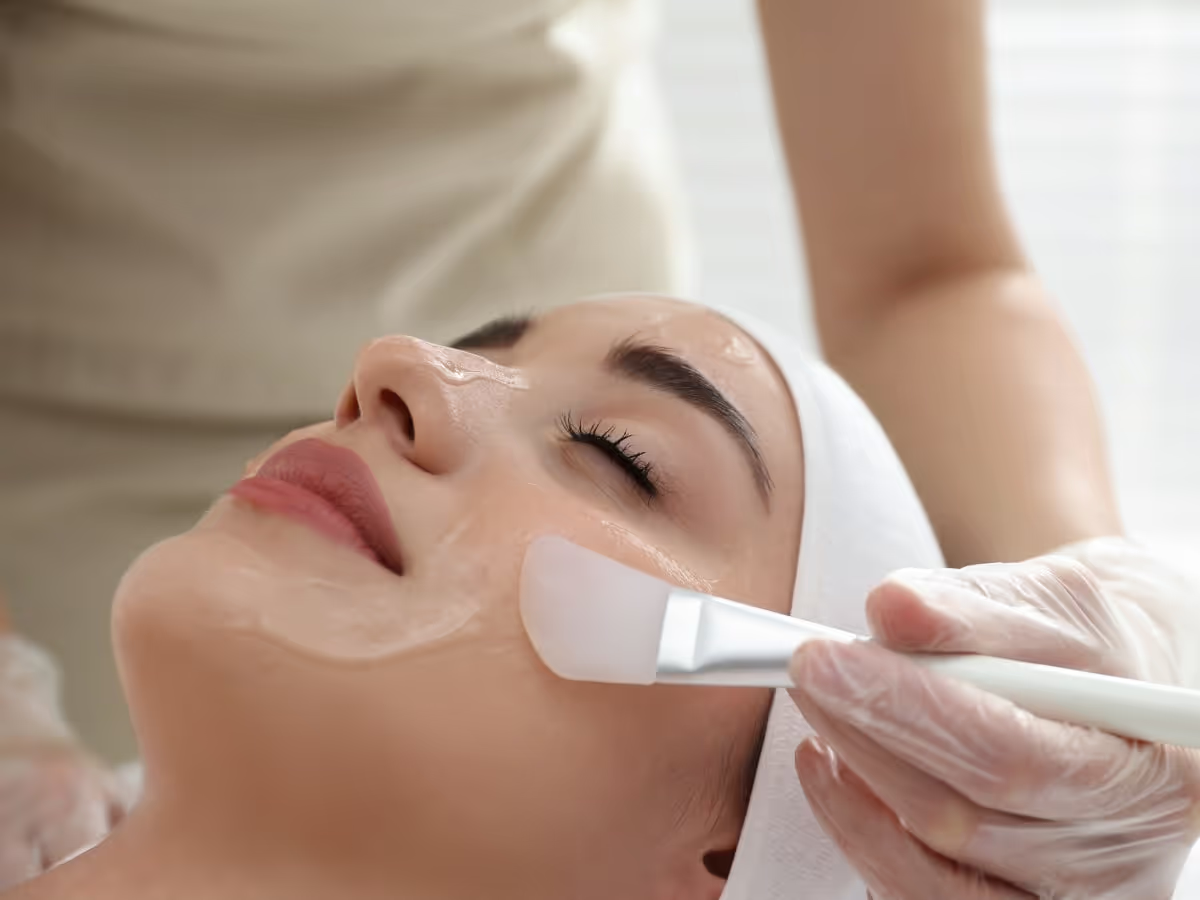
- Gentle chemical peels using mandelic acid, lactic acid or low-strength trichloroacetic acid. These accelerate cell turnover and improve absorption of topical agents.
- Mesotherapy with a brightening cocktail, delivered intradermally to support pigment regulation from within the skin.
- Pico laser at conservative settings. Picosecond lasers can break down clusters of melanin into smaller fragments that the body clears more easily. They must be used cautiously in melasma because aggressive laser energy can worsen pigmentation.
- Low-fluence Q-switched laser protocols, sometimes described as laser toning, used in short series rather than one-off sessions.
You may have read about helium, fractional or ablative lasers being used for melasma elsewhere. These options exist but require careful candidate selection. Used incorrectly, they can trigger rebound hyperpigmentation, particularly in deeper skin tones common in this region. The Shookra approach is to start with the gentlest modality that produces measurable change.
3. Oral and Systemic Support
Oral tranexamic acid is increasingly used for resistant melasma, with growing evidence behind it. It is prescription-only and requires medical screening before starting, because it affects clotting. Your doctor will also assess whether hormonal factors, thyroid function or nutritional status should be investigated, particularly if melasma has worsened recently.
The Shookra Approach
Shookra's approach to melasma is diagnostics-first and protocol-driven. A typical pathway looks like this.
- Initial dermatology consultation. Your skin is assessed under controlled lighting and with imaging where appropriate. The dermatologist identifies the type and depth of pigmentation, screens for triggers and reviews previous treatments.
- Baseline testing where indicated. If hormonal, thyroid or nutritional drivers are suspected, targeted bloodwork is arranged through our diagnostics service.
- A combination protocol. Most clients start with a topical regimen and a short in-clinic series, alongside a strict photoprotection routine.
- Review and adjustment. Progress is reviewed at defined intervals. Treatments are intensified, reduced or rotated based on what your skin is actually doing, not on a fixed timeline.
- Maintenance. Once control is achieved, you move onto a lighter maintenance plan to protect the result.
This sequence matters. Melasma punishes shortcuts. The clients who get the best long-term outcomes are those who treat it as a chronic, manageable condition rather than a one-session fix.
Who Melasma Treatment Suits
Melasma treatment suits adults with confirmed melasma who are committed to consistent topical and photoprotective care between in-clinic sessions. It is particularly worth pursuing if your pigmentation is affecting confidence, has plateaued under non-prescription products, or has worsened after sun exposure, pregnancy or hormonal change.
It is less suitable, or needs adjustment, if you are pregnant or breastfeeding, have very recent sun exposure, are using systemic retinoids, or have very reactive skin currently in a flare. Your consultation will identify the right starting point.
What to Expect
Realistic expectations are essential.
- Early changes: Visible softening of patches typically begins within four to eight weeks of consistent topical use, sometimes sooner when combined with in-clinic treatment.
- Substantial improvement: Three to six months of structured treatment is usually needed before the full benefit is visible.
- Maintenance: Long-term control requires ongoing photoprotection and periodic topical or in-clinic maintenance.
- Relapse: Flares are common, particularly during summer, pregnancy, or hormonal change. They are not treatment failure. They are part of the condition and are managed by stepping treatment back up.
Risks and Considerations
Melasma treatment is generally well-tolerated when supervised by a dermatologist, but every intervention has trade-offs.
- Topical creams can cause dryness, redness, irritation or sensitivity, particularly in early weeks. Prescription combinations including steroids must be used in short courses to avoid thinning of the skin.
- Chemical peels can occasionally trigger post-inflammatory pigmentation if applied too aggressively in deeper skin tones, which is why depth and frequency are tightly controlled.
- Laser treatments carry a risk of worsening melasma if used at the wrong settings or too frequently. This is why Shookra uses conservative laser protocols and reviews response before progressing.
- Oral tranexamic acid requires medical screening for clotting risk and is not suitable for everyone.
A consultation is the appropriate way to weigh these factors for your individual case.
.jpeg)

Frequently Asked Questions
How much does melasma treatment cost in Dubai?
Costs vary significantly depending on the protocol used. Topical-only treatment is the most affordable, while combined topical, in-clinic and oral protocols are more substantial investments. Pricing is discussed transparently during your consultation, once the dermatologist has assessed what your case actually needs. We do not quote a single figure publicly because that would misrepresent how individual melasma treatment really is.
What is the most successful treatment for melasma?
The most successful approach is a combination of prescription topicals, strict broad-spectrum and visible-light sun protection, and selective in-clinic treatments. Single-modality treatment rarely produces lasting results.
Which skin treatment is best for melasma?
For most clients, a structured combination protocol works best. Gentle chemical peels and conservative pico laser are commonly added to topicals. Aggressive lasers should be avoided as a first-line option, particularly in skin of colour, because they can worsen pigmentation.
Can melasma be permanently removed?
Melasma is a chronic condition, and current evidence does not support claims of permanent removal. With consistent treatment and photoprotection, however, significant lightening and long-term control are realistic for most clients.
Does sunscreen really make that much difference?
Yes. Daily broad-spectrum sunscreen, ideally a tinted mineral formulation that also blocks visible light, is the single most important step in controlling melasma in Dubai. Without it, in-clinic treatments and topicals will struggle to hold a result.
How quickly will I see results?
Most clients notice gradual lightening within one to two months of consistent treatment. Significant improvement typically takes three to six months. Results are protected by ongoing maintenance and sun protection.
Book a Consultation
If you have been managing melasma for months or years and want a structured, dermatologist-led plan, you can book a consultation with Shookra. Your assessment will identify the type and depth of pigmentation you are dealing with, screen for underlying triggers, and outline a treatment pathway that is appropriate for your skin. To learn more about our broader pigmentation expertise, see our hyperpigmentation service page or our dedicated melasma service.
Other recommended posts


.jpg)
.jpg)


.avif)

.avif)

Reverse, Renew, Radiate.
Timeless transformation starts today.
.png)